Facial Treatment Pricing: Cost, Competition, Perceived Value
MAKGRAC Salon Editorial TeamUpdated October 20, 20266 min read
Facial services are a salon’s cash-flow foundation — and the easiest line of business for pricing to quietly wreck. Price too low and the hidden per-session loss never shows up in anyone’s report; price too high and even trial cards stop moving. According to iiMedia Research’s 2025–2026 study of China’s beauty and hairdressing industry, the market reached RMB 431.8 billion in 2024 and is forecast at RMB 445.9 billion in 2025, yet clients are increasingly price-sensitive and increasingly demanding about “was it worth it.” This article lays out a three-step pricing method: establish the cost floor, read the competitor band, then layer perceived value — plus pricing references for four facial service types and the right moments to raise prices.
1. Step One: Calculate the Full Per-Session Cost — Most Salons Only Do Half
The per-session cost of a facial service has at least four components:
Device depreciation: purchase price ÷ expected total uses. A device counted at RMB 20,000 with a 5,000-use life carries RMB 4 per session; but if it only serves 2 clients a day, the depreciation per session roughly doubles — which is exactly why hidden costs of beauty equipment purchasing insists on “run the scheduling math before you buy.”
Labor: therapist time per session × fully loaded hourly cost (including social contributions and management overhead). A 60-minute service at RMB 30–50 of labor is a typical order of magnitude.
Rent and utilities allocation: spread across services by bed-hours or floor area.
Only the sum of all four is your true per-session cost floor. Most salons count consumables alone and price at “consumables × 3” — which is precisely why the books feel profitable in December but the bank account disagrees. For the fuller cost framework, see beauty device hidden costs.
2. Step Two: Read the Competitor Price Band — Position, Don’t Follow
Collect the price lists of 3–5 same-tier salons in your area (public channels and a walk-in inquiry will do), and map the band:
Where in the band do you sit? Bottom third competes on volume, the middle balances, the top third sells premium. All three can work; what kills you is drifting in the middle — clients can’t say why you’re worth more, and can’t remember you being cheaper.
Never blindly chase the lowest price: in a price war, the first casualty is usually the salon that never understood its own costs. A competitor’s low price may be a trial-only traffic price, not their everyday rate.
3. Step Three: Layer Perceived Value — One Cleansing Facial, Three Prices
Cost sets your floor; perceived value sets your ceiling. The same “deep cleanse,” packaged differently, produces completely different price expectations:
Naked service (“hydro-facial cleanse”): competes on price — your traffic layer.
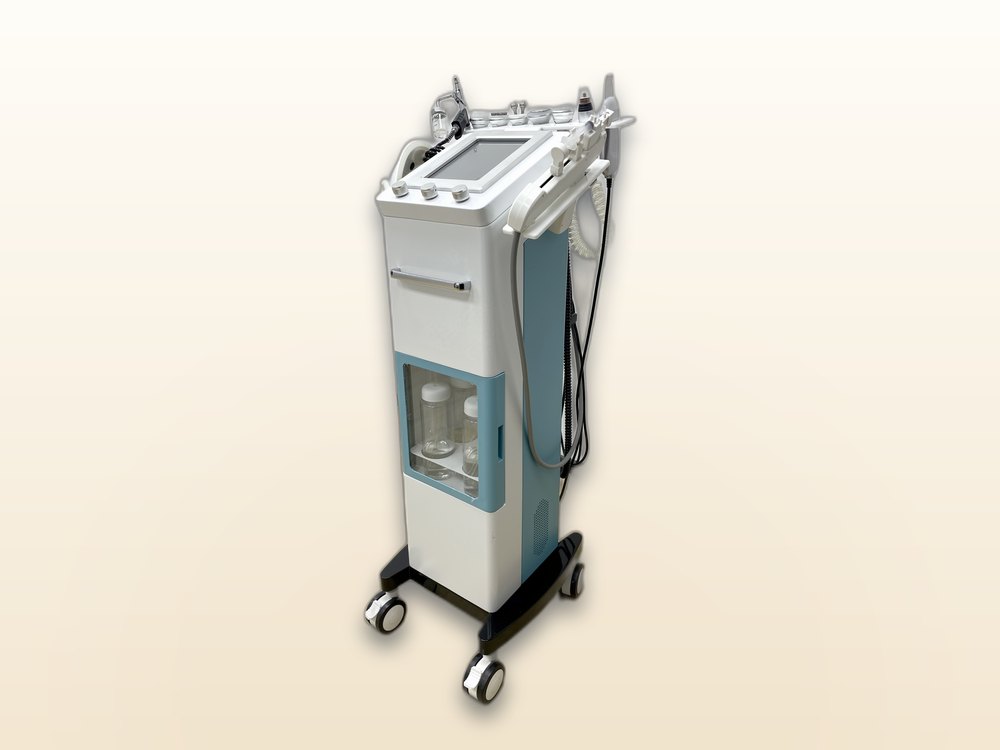
Protocol packaging (“deep cleanse + infusion repair, 60-minute protocol”): combine Aqua Touch Peeling cleansing with DEP needle-free infusion (electroporation opens reversible water channels for deep infusion) into one protocol. The price rises, and the justification holds.
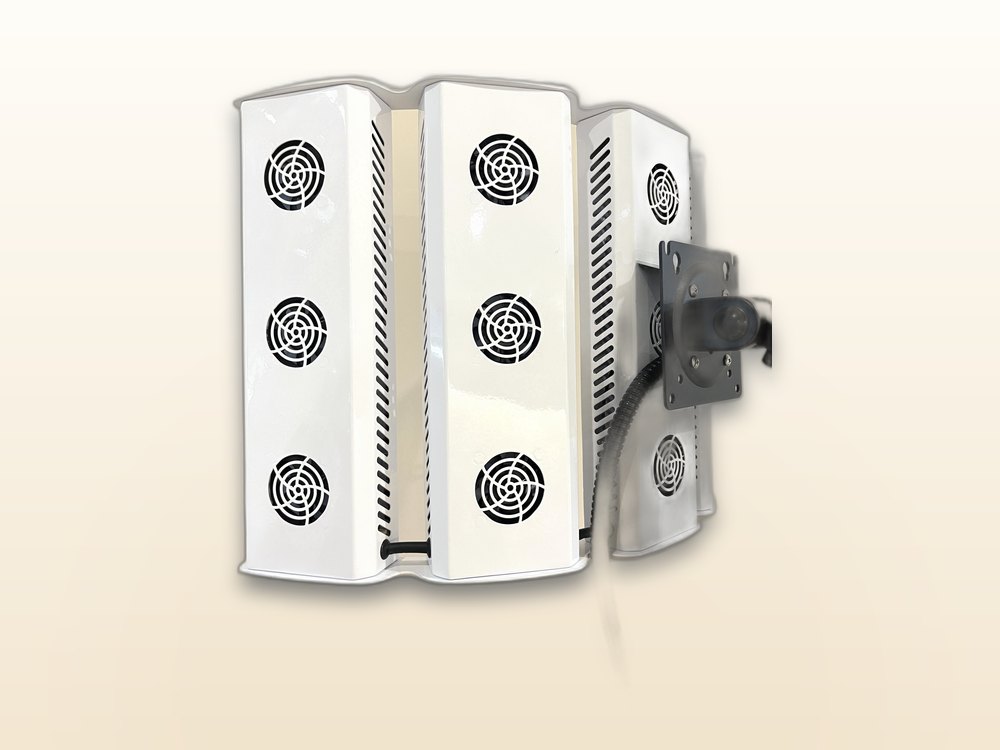
Ritual packaging (“skin annual review + custom protocol + LED finish”): add skin diagnostics, customization and an LED light therapy finish — selling expertise and certainty.
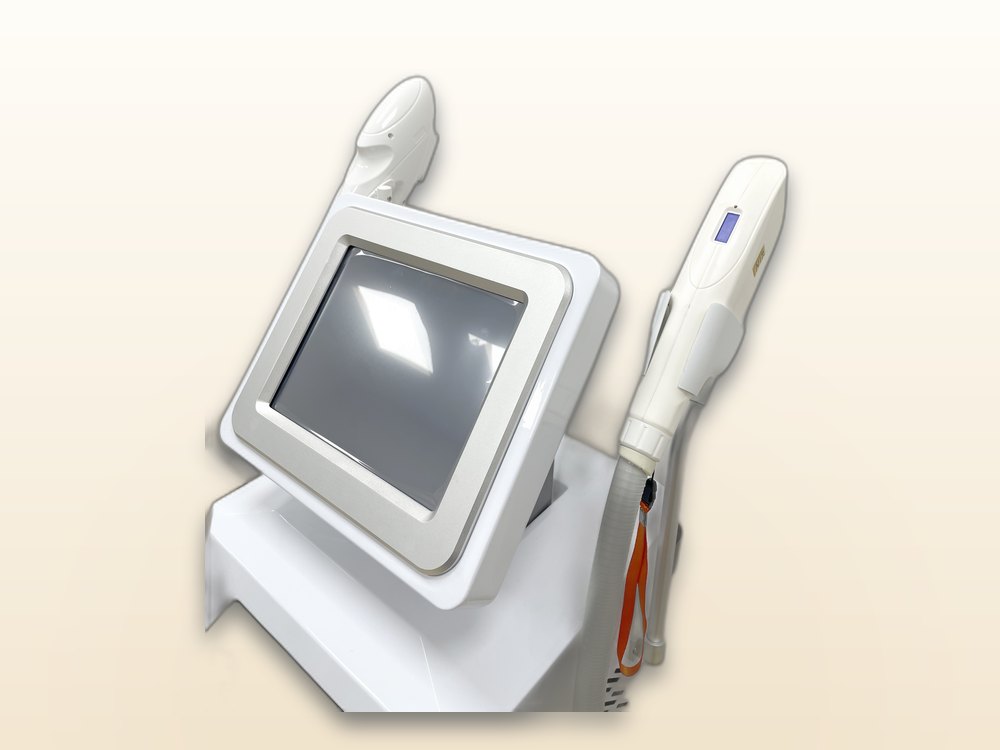
Light-based rejuvenation works the same way: the DPL+NIR “milk light” treatment is comfortable and fits a lunch break, so anchor its price to the “white-collar lunchtime quick beauty” occasion rather than quoting by device function — the occasion supports a premium far better.
4. One Table: Facial Program × Cost Weight × Pricing Reference × Retention
Program type
Representative setup
Dominant cost weight
Market pricing reference
Retention lever
Cleansing
Aqua Touch Peeling
Consumables + labor
RMB 128–398 per session
Monthly reminder; tie into session card
Infusion & hydration
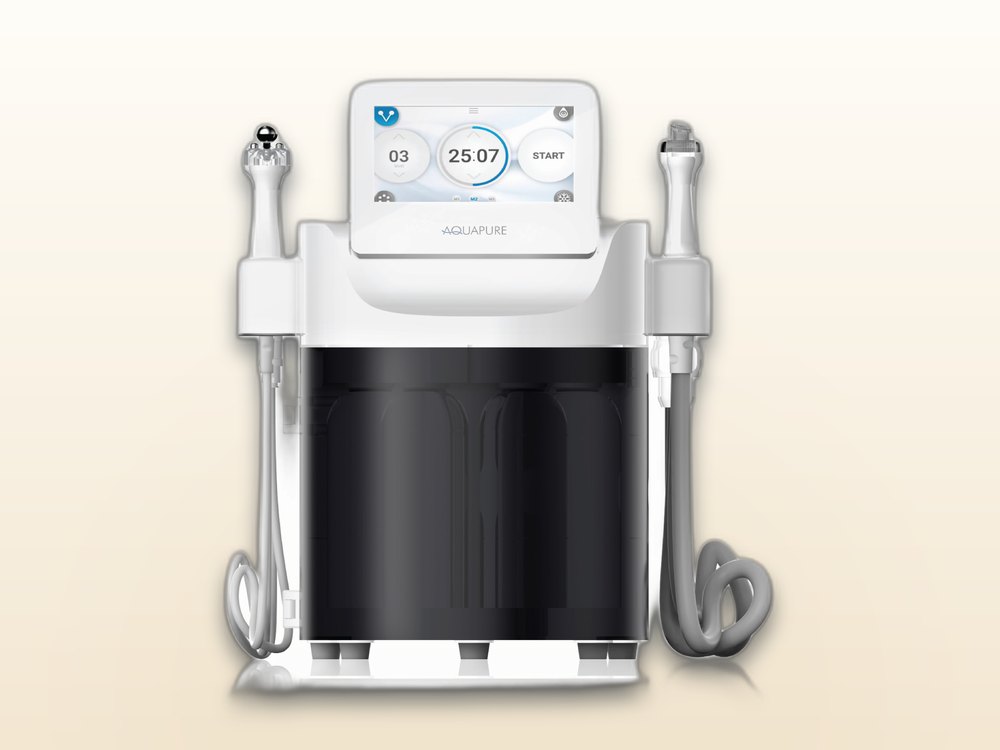
DEP needle-free / Aquapure
Device depreciation + consumables
RMB 198–598 per session
Bundle with cleansing to lift ticket
Brightening & rejuvenation
DPL+NIR milk light
Device depreciation
RMB 298–698 per session
Course pricing + photo-comparison reviews
LED repair
Five-band LED panel
Device depreciation (low consumables)
RMB 98–298 per session
Service finisher + member benefit
These are common publicly observable market reference ranges; actual prices vary widely by region, positioning and protocol content — defer to local salon pricing. For card-level bundling logic, see skin management facial card programs and facial care programs; for how membership tiers and renewal mechanics pair with pricing, see salon membership and renewal design.
5. Three Signals to Raise Prices — and the Pitfalls Around Them
Three signals that justify a price increase: rebooking rate sustainably above the salon average, peak-season slots sold out, and clients volunteering that the protocol “is worth it.” When all three show up, raise with confidence.
Pitfall list:
Don’t make the trial price your everyday price: the traffic layer may run near break-even, but everyday services must cover full cost — otherwise every extra client deepens the loss.
Never raise more than 20% at once: loyal clients anchor on the old number. Two staged increases paired with upgraded benefits land far more smoothly.
Keep pigmentation services in life-beauty language: “brightens the look of skin tone” is fine; “spot-removal treatment” is not — see the boundaries in pigment management.
Leave room in outcome claims: rejuvenation and texture results vary by individual. Use phrases like “most clients report” and “cumulative improvement over a course” — discipline today is complaint protection tomorrow.
Don’t turn every service into a traffic price: a salon-wide low price means no positioning. One traffic layer is enough; the profit layers must be priced with courage.
6. FAQ
Q: How do I calculate the pricing floor for a facial service?
A: Sum device depreciation + labor + consumables + rent allocation; that is your full per-session cost, and pricing must sit above it with a reasonable margin. Pricing off consumables alone is the most common cause of silent losses.
Q: A new salon has no loyal base — how should it price?
A: Align your price band with the middle of local same-tier competitors and differentiate through trial cards and protocol bundles — not by undercutting everyone. Clients won on price alone are the most price-sensitive and retain the worst.
Q: How should a trial card be priced?
A: Cover variable cost with a thin margin — the common market range is RMB 99–399. Its job is to win the visit and capture an assessment record; profit comes from the session cards and protocols that follow.
Q: When can I raise facial prices?
A: When all three signals align — rebooking sustainably above average, peak slots full, clients saying the protocol is worth it. Cap any single increase at 20% and pair it with upgraded benefits.
Q: How do I charge more for a service my competitor also offers?
A: Layer perceived value — upgrade from a “naked service” to a “diagnostics + protocol + LED finish” custom package, selling expertise and certainty instead of forcing the same name to carry a higher number.
Final Thoughts
Pricing is neither gut feel nor copying the salon next door; it is one complete calculation that runs from cost to perceived value. For a pricing sheet modeled on your own equipment and clientele, contact us — MAKGRAC provides end-to-end support from equipment selection to program pricing.
MAKGRAC SALON & SPA KNOWLEDGE HUB
Professional Salon Protocols, Aesthetic Business Insights & Treatment Science
Practical operating guides, client consultation scripts, ROI calculators, and clinical device workflows curated for modern aesthetic salons, medspas, and premium skin management studios.
Salon Phototherapy Buyer's Guide: Choosing the right light-based equipment determines both your treatment room safety and your monthly membership retention. Compare MAKGRAC’s...
How pairing 500–600nm narrowband DPL with 900–1800nm Near-Infrared Milk Light delivers zero-downtime glass-skin brightening and collagen toning in salons.
Field-tested consultation scripts and consultative frameworks for salon estheticians to convert single visits into high-ticket device packages with clinical authority.
Explore the clinical and commercial differences between picosecond and nanosecond Q-switched lasers for salon pigmentation correction and tattoo removal.
A financial guide for salon entrepreneurs: comparing third-party distributor equipment leasing against direct manufacturer purchasing to eliminate debt and preserve cash flow.
Discover why multi-function hydra-dermabrasion and oxygen facial machines serve as the ultimate low-barrier client acquisition engine for modern aesthetic salons.
A complete operational blueprint for launching a profitable Japanese and Korean head spa: essential water circulation equipment, scalp micro-cameras, and menu pricing...
An in-depth technical and commercial comparison of monopolar and multipolar radiofrequency systems for aesthetic studios: thermal penetration depth, client comfort, treatment pricing,...
A comprehensive 2025 buyer's guide for salon owners and estheticians: comparing 808nm vs triple wavelengths, TEC sapphire contact cooling, power outputs, shot...
Equip Your Beauty Salon or Skin Management Studio with MAKGRAC
Explore factory-direct pricing, zero-consumable high-frequency devices, and comprehensive aesthetic training programs designed to maximize your treatment room revenue.