Male Clients in Salons: The Overlooked Growth Segment
MAKGRAC Salon Editorial TeamUpdated October 20, 20266 min read
Salon storefronts run “ladies’ day” promotions year-round, and owners quietly assume the clientele is female. Yet the same scene plays out in salon after salon: a female client brings her husband in for one neck-and-shoulder session, and that man becomes one of the most regular, easiest-signing clients in the book. The male segment isn’t missing — it has simply never been designed for. According to iiMedia Research’s 2025–2026 study of China’s beauty and hairdressing industry, the market reached RMB 431.8 billion in 2024 and is forecast at RMB 445.9 billion in 2025, and industry observers consistently note that men’s share of personal-care and appearance spending keeps rising. This article covers what male clients actually need, how to build the programs, where to anchor pricing, and which traps to avoid.
1. The Three Real Needs of Male Clients
Designing for men starts by dropping the “refined skincare” fantasy. Most male clients want something far more practical:
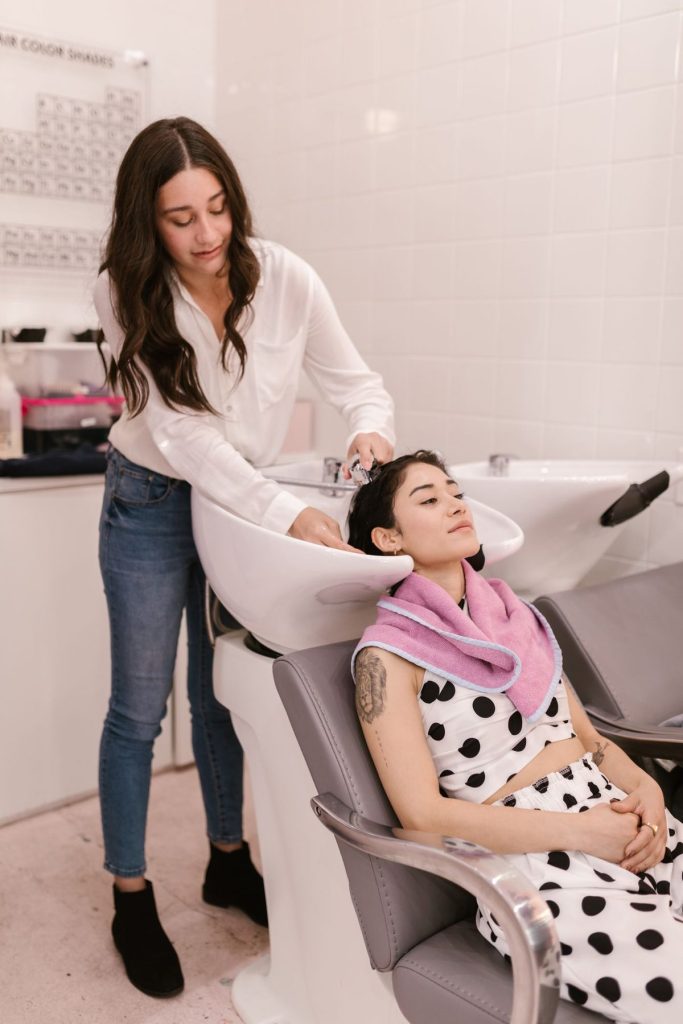
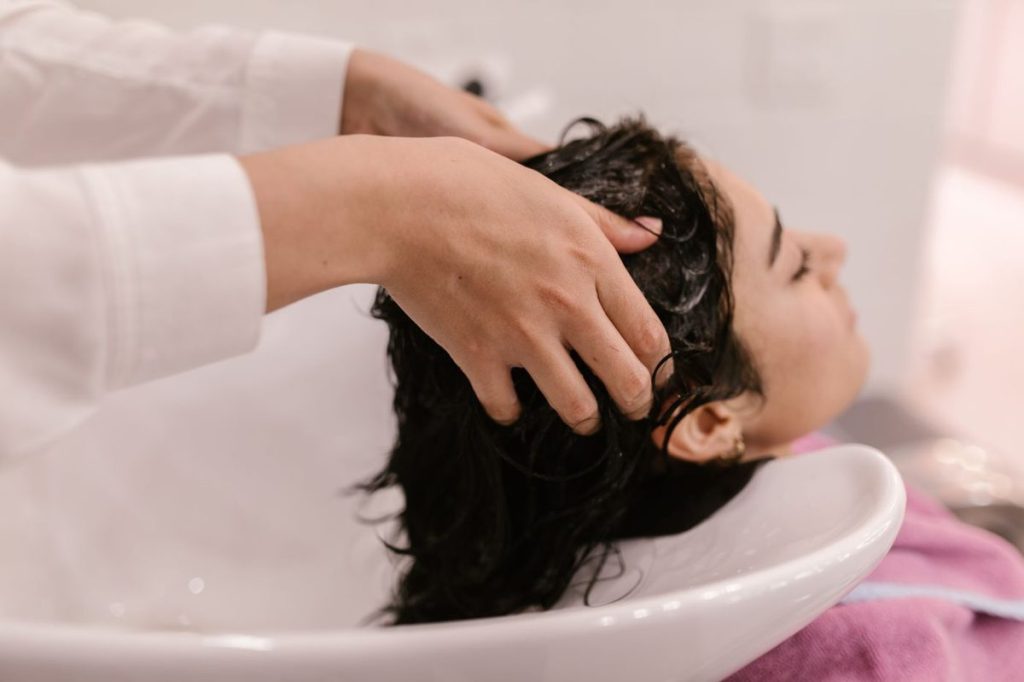
Scalp and hair care: late nights, stress, oily scalps — scalp care is the service men find easiest to ask about, and it is inherently cyclical (it needs repeating), making it a natural repeat-purchase program.
Relaxation and body conditioning: stiff shoulders, desk fatigue, poor sleep. Men won’t admit they’re doing “beauty,” but they’ll happily admit they’re “tired.” Wellness and relaxation services are the entry product for this segment.
Facial cleansing and oil control: men’s skin generally runs oily, so deep cleansing, oil control and post-shave soothing are high-frequency, low-threshold needs — perfect trial-card material.
One boundary up front: energy-based hair removal and injectable procedures are medical or licensed territory; life-beauty salons stay out. For the hair-removal boundary, see how to launch salon hair removal services.
2. How to Build the Lines: Device Plans for Three Tracks
Scalp care line: built around the 5-in-1 hair follicle care device, which combines follicle-clearing and scalp-purifying functions in one unit, paired with hands-on massage for a standardized service. Program design and wording follow scalp care and hair strengthening programs. Market it as “scalp cleansing, care and hair strengthening” — never as hair-growth treatment.
Body relaxation line: led by the HEALTH TONE fascia care device — BAF human-hand-style fascia heads and magnetic thermal heads covering neck-and-shoulder relief. Non-invasive with a clear physical sensation, it is the “first machine” male clients accept most readily. Add the meridian body care device at the volume tier — its large/medium/small therapy heads cover back, waist and legs with a low operating barrier. Card structure follows the four-tier model in how to design salon body sculpting programs.
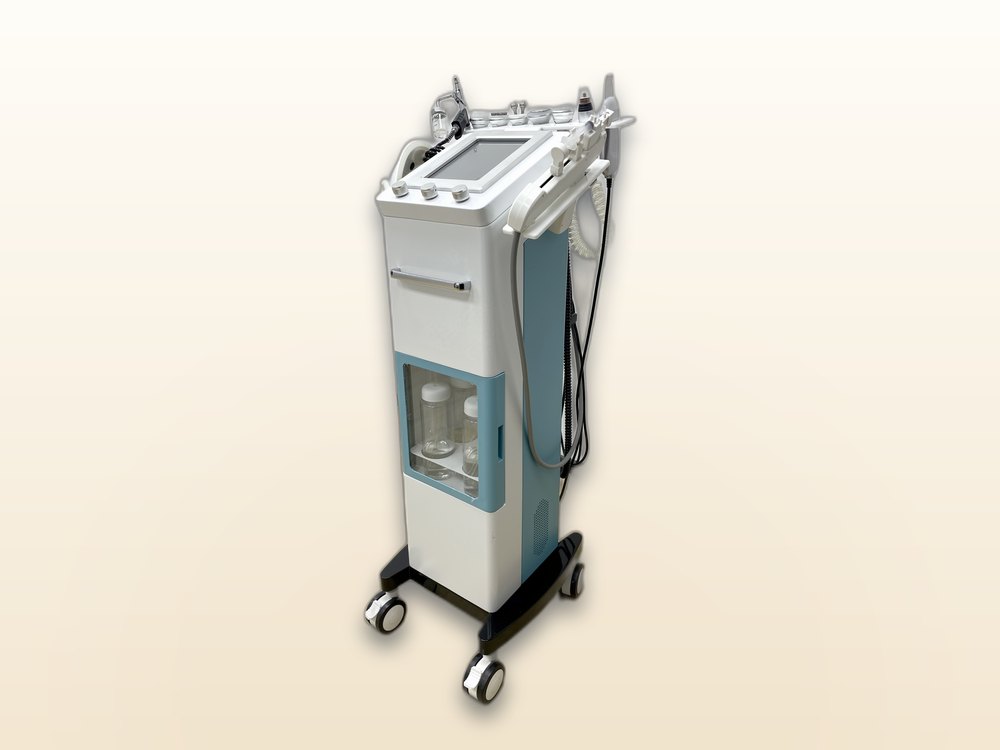
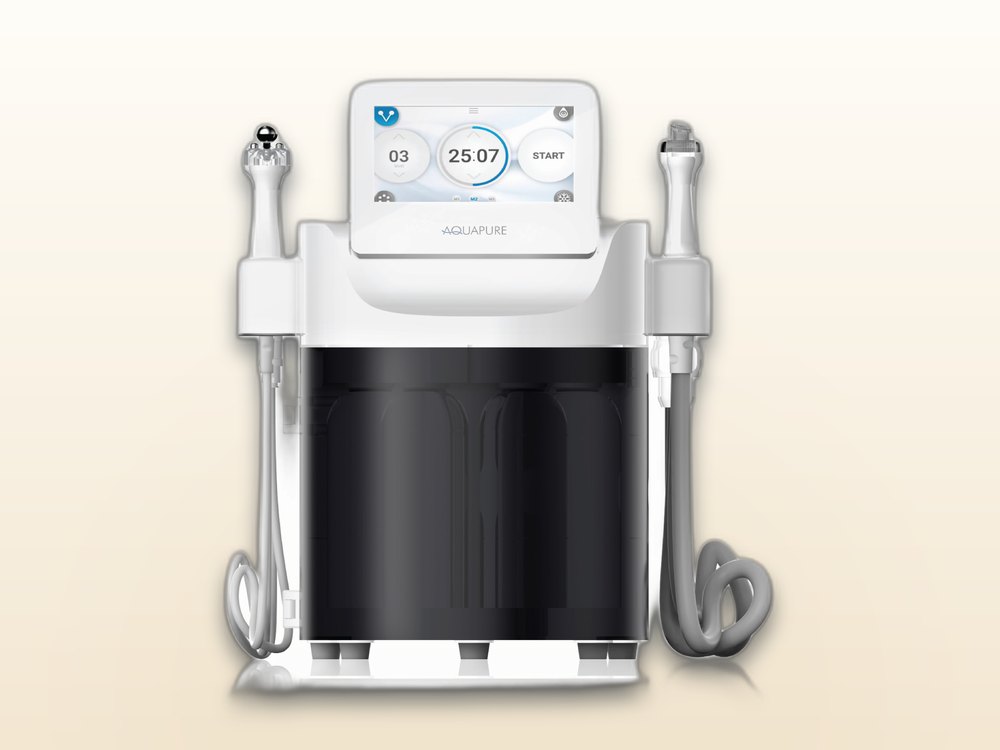
Facial cleansing line: the Aqua Touch Peeling hydro-facial device for deep cleansing and oil control, 30–40 minutes per session — easy to slot into a lunch break or after work.
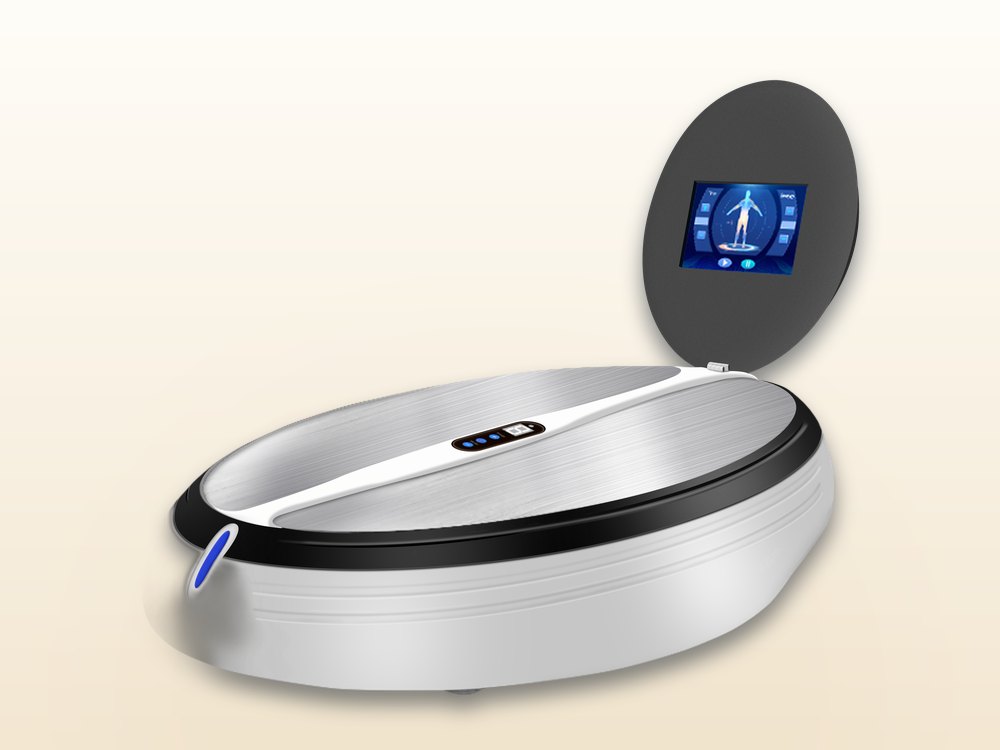
Retention layer: a maglev wellness system-type foot-pulsed magnetic and maglev heat device needs no staff labor, no consumables and no session limits. “Just lie there” acceptance among male clients is extremely high — a natural carrier for a men’s monthly card.
Scalp scan image each visit; comparison at visit 4
Neck-shoulder relief (trial card)
HEALTH TONE
RMB 99–299 per visit
Posture assessment after trial + cycle plan
Body conditioning session card
Meridian device + HEALTH TONE
RMB 1,280–2,980 per card
Visit-4 review; renewal planted at 3 sessions left
Men’s cleansing facial (single)
Aqua Touch Peeling
RMB 128–398 per visit
“Once a month” fixed reminder
Men’s wellness monthly card
Maglev wellness system
RMB 680–1,280 per month
Zero labor/consumables; “drop in anytime”
These are common publicly observable market reference ranges; actual prices vary widely by region and positioning — defer to local salon pricing.
4. Three Operating Details for the Male Segment
Sell function, not “beauty”: talk “relief, cleansing, care” — not “anti-aging” or “rejuvenation.” Add a dedicated “Men’s” page to the menu to lower the barrier to asking.
Appointment-only beats walk-in: male clients run on tight clocks. Fixed slots, on-time service and zero upsell pressure are the core of male word-of-mouth; set the staff KPI for men’s cards on rebooking rate rather than average ticket.
Enter through partners — the cheapest acquisition there is: the husbands and fathers of existing female members are zero-cost leads. “Bring-your-partner” and family trial vouchers are the highest-converting entry campaigns.
Limitations & Disclaimer
5. Pitfalls and Boundaries
No medical claims: scalp services are “care,” never “hair-loss treatment”; body services are “relaxation,” never “curing.” Hair strengthening stays in care language; clients with clear hair-loss symptoms should be referred to a physician.
Fix the environment: changing space, scent, reading material — these details decide whether a male client feels awkward. The investment is small but non-optional.
Don’t reuse female promotion mechanics: discounts and girlfriend-group deals largely fail with men. Men buy certainty: fixed therapist, fixed slot, transparent pricing.
Keep volume expectations realistic: men are an increment, not the whole market. Reaching a 15–25% male share is healthy for most salons; don’t destabilize your existing base chasing a higher number.
6. FAQ
Q: Which program should a salon use to enter the male segment?
A: A body-relaxation trial card (e.g. neck-and-shoulder care) has the lowest entry barrier — men identify with “tired” far more than with “beauty.” Extend toward scalp care and monthly cards after they’re in the door.
Q: How often do male clients actually visit?
A: For relaxation and scalp-care programs, regular-visit rates often exceed those of female clients, especially under monthly-card and fixed-appointment models. Frequency is this segment’s biggest value driver.
Q: Do men’s programs require a separate set of devices?
A: Usually not — fascia care, meridian body work, hydro-facial cleansing and maglev wellness devices are fully shared with the women’s line. Run a scheduling calculation before buying anything.
Q: How do I avoid overclaiming on men’s scalp programs?
A: One message only — “scalp cleansing, care, hair strengthening” — supported by scalp scan images as visual records. No hair-growth or hair-loss-treatment promises; clients with obvious hair-loss symptoms should see a physician.
Q: What’s the best way to get a male client through the door the first time?
A: Family trial vouchers and bring-your-partner campaigns aimed at existing female members work best; a dedicated “Men’s” menu page lowers the asking barrier second. Paid ads targeting men usually convert poorly.
Final Thoughts
The male segment isn’t a new track — it’s demand that has been sitting inside your salon, undesigned, all along. To assess whether your current equipment can carry a men’s line as-is, contact us — MAKGRAC provides end-to-end support from equipment selection to card program design.
MAKGRAC SALON & SPA KNOWLEDGE HUB
Professional Salon Protocols, Aesthetic Business Insights & Treatment Science
Practical operating guides, client consultation scripts, ROI calculators, and clinical device workflows curated for modern aesthetic salons, medspas, and premium skin management studios.
Salon Phototherapy Buyer's Guide: Choosing the right light-based equipment determines both your treatment room safety and your monthly membership retention. Compare MAKGRAC’s...
How pairing 500–600nm narrowband DPL with 900–1800nm Near-Infrared Milk Light delivers zero-downtime glass-skin brightening and collagen toning in salons.
Field-tested consultation scripts and consultative frameworks for salon estheticians to convert single visits into high-ticket device packages with clinical authority.
Explore the clinical and commercial differences between picosecond and nanosecond Q-switched lasers for salon pigmentation correction and tattoo removal.
A financial guide for salon entrepreneurs: comparing third-party distributor equipment leasing against direct manufacturer purchasing to eliminate debt and preserve cash flow.
Discover why multi-function hydra-dermabrasion and oxygen facial machines serve as the ultimate low-barrier client acquisition engine for modern aesthetic salons.
A complete operational blueprint for launching a profitable Japanese and Korean head spa: essential water circulation equipment, scalp micro-cameras, and menu pricing...
An in-depth technical and commercial comparison of monopolar and multipolar radiofrequency systems for aesthetic studios: thermal penetration depth, client comfort, treatment pricing,...
A comprehensive 2025 buyer's guide for salon owners and estheticians: comparing 808nm vs triple wavelengths, TEC sapphire contact cooling, power outputs, shot...
Equip Your Beauty Salon or Skin Management Studio with MAKGRAC
Explore factory-direct pricing, zero-consumable high-frequency devices, and comprehensive aesthetic training programs designed to maximize your treatment room revenue.